


 0431 234 491
How Long Will Your Melbourne Renovation Actually Take?
If you ask five different builders how long a renovation takes, you’ll get five different answers. It’s not because anyone’s dodging the question; it’s because “renovation” covers everything from a bathroom renovation to a full double-storey extension, and the timeline swings just as wildly.
If you’re planning a project in Melbourne, from a Balwyn kitchen update to a Glen Iris extension, the honest answer is: it depends on scope, council, and a handful of factors most homeowners don’t think about until they’re mid-build.
So rather than throwing out a generic “12 to 16 weeks” and hoping it fits, here’s a realistic breakdown of what actually determines your renovation timeline, and where the delays tend to creep in.
Why Renovation Timelines Vary So Much
Renovation timelines vary because of the differences in project scope, council approval processes, supply chain demands, labour demands, and even the weather. The best laid plans can be delayed by reasons out of anyone’s control.
Here are some examples of what factors can impact the timeline of your renovation:
- Project Scope: You may choose to do more, once the project has started. Or certain elements can take longer. A bathroom remodel will not take as much time as a home extension, for example.
- Council Approvals and Permits. The standard building permits take a few weeks to be processed. Local permits, heritage overlays or objections raised by neighbours, will take longer and can add months to your project timeline.
- Materials. If you’re importing tiles from Italy or have specialised fixtures you’re installing, these can take longer to manufacture and deliver, compared to products bought from the shop floor.
- Structural Issues. These can be hidden until you begin to renovate. Knocking down a wall could find termites or rot; bringing up the floorboards might reveal damage to your foundation that will need repairs and add more time to your project.
- Optimistic Contractors. Contractors often like to give you a good timeline to think of so you will hire them, thinking things will be completed in a matter of weeks. All the scenarios above can impact the contractors and push your timeline out.
- The Weather. You can’t be doing renovations if it is raining and stormy. Similarly, if a heat wave hits and the sun beats down at 37 degrees, your tradies will need more hydration breaks.
Small Renovations vs Full Home Extensions: A Timeline Breakdown
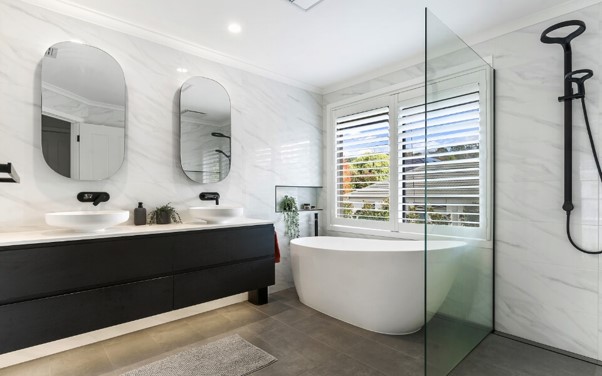
Small renovations, say a bathroom or a kitchen, can typically take up to 6 weeks. A full home extension can require anywhere up to 12 months to fully complete, from planning to handover.
Small Renovations Timeline
- Design & Planning (1–3 weeks): Selecting finishes, fixtures, and ordering off-the-shelf items.
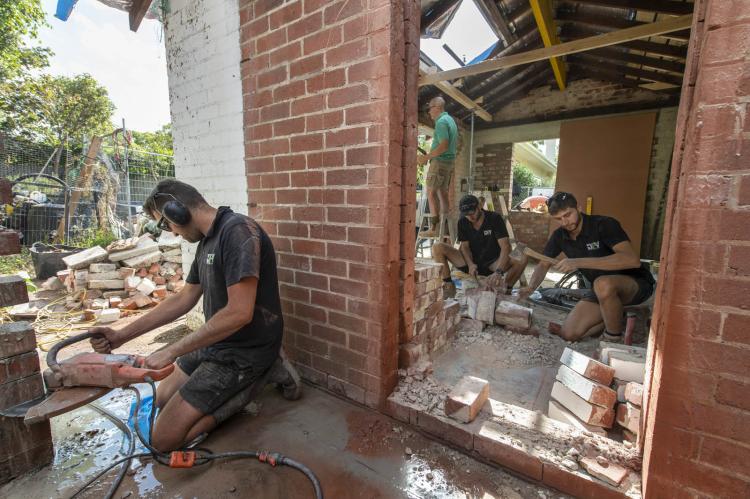
- Demolition (2–5 days): Removing old cabinetry, tiles, or non-load-bearing elements.
- Rough-Ins & Building (1–3 weeks): Plumbing and electrical work, followed by tiling or painting.
- Fit-Off & Handover (1 week): Installing final fixtures, hardware, and cleaning.
Full Home Extensions Timeline
- Pre-Construction & Approvals (3–5 months): Architectural drawings, structural engineering, council permits, and zoning checks.
- Site Work & Foundations (2–4 weeks): Excavation, pouring concrete slabs, and setting subfloors or footings.
- Framing & Lock-Up (4–8 weeks): Erecting wall frames, roof structures, and exterior cladding to make the structure weather-tight.
- Internal Fit-Out & Finishes (8–12 weeks): Plastering, flooring, painting, and connecting major mechanical or plumbing systems through the expanded space.
Council Approvals and Permits
Melbourne home renovations typically require navigating two distinct types of approvals: planning permits and building permits. Many projects require you to obtain both.
Planning Permits vs. Building Permits
- Planning Permit: Issued to you by your local council, this approval focuses on land use, streetscape, height, setbacks, and neighbourhood character. You generally need one if your renovation changes your home’s external look, expands its footprint, or falls under a heritage overlay. Statutory timeframes give councils 60 days to make a decision on standard applications.
- Building Permit: Issued by a registered building surveyor (private or council-appointed), this ensures the actual construction complies with the Building Code of Australia and structural safety standards. You need a building permit for structural work, removing load-bearing walls, or adding decks and extensions.
If you’re renovating in the Whitehorse Council:
- Check Property Overlays: Use Whitehorse Maps to find zoning and overlays. Eastern suburbs often feature Vegetation Protection Overlays or Heritage controls that strictly protect trees or historical elements.
- Determine Permit Triggers: Extensions, structural changes, major decks, or working within 4 metres of a protected tree usually require a planning permit before a building permit can be issued.
- Lodge Applications: Submit required documents, land titles, and plans online via the ePathway Portal.
Design and Planning Phase: What Happens Before Construction Starts
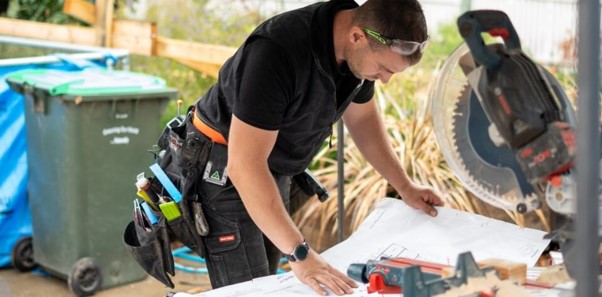
You don’t walk onto a property one day and start demolishing a wall. You need a plan, a design crafted by experts so you don’t destroy your home.
The pre-construction stage involves several key steps to get your project ready:
- Initial Consultation and Brief: Discussing your budget, goals, and design preferences with a designer or builder.
- Site Assessment and Surveys: Measuring the property, checking existing structures, and reviewing boundaries or soil conditions.
- Concept Design: Creating initial floor plans, sketches, and 3D models of your new space.
- Design Development: Refining the layout, selecting materials, and coordinating with structural engineers.
- Permits and Approvals: Applying for a City of Melbourne planning permit (if required by local overlays) and a building permit.
- Tender and Contracts: Finalising working drawings, getting builder quotes, and signing the construction contract.
Timeline Breakdown
- Concept and Design: 2 to 5 months
- Council Planning Permits (if needed): 2 to 9 months (the biggest variable depending on the council and heritage overlays)
- Working Drawings and Building Permit: 1 to 2 months.
On-Site Construction: How Long Each Stage Really Takes
A typical whole-home on-site renovation construction phase, in Melbourne, spans 4 to 8 months, from initial site preparation to final handover. Prior to physical construction, extensive pre-build administration, including design documentation and permit approvals, must be completed.
Common Delays (and How to Avoid Them)
If you know the timeframe you’re aiming for, and understand the types of delays that can impact this timeline, then you can prepare as best you can to minimise this lag.
If you know what the main bottlenecks holding up your build are, this can be an advantage. You can work on one thing while another is delayed, pre-plan around the weather, or line up builders months in advance. The options are plenty.
Common Renovation Delays in Melbourne
1. Council and Building Permits
Checking for historical or vegetation overlays can take up to 6 months. Getting paperwork and permissions from councils can also take some time, longer if you’re missing paperwork or have the forms filled out incorrectly.
The solution is to hire a registered builder who is on top of local council rules and permits and overlays. They can arrange all the permits for you, leaving no detail out.
2. Material Lead Time
The more bespoke your materials and fixtures, the longer it will take for them to be made and shipped to your home.
There are two solutions for this time delay. Know at the very beginning what fixtures you want, what custom joinery you’re after, so the manufacturing process can begin right away.This should lower the wait time, so fixtures hopefully arrive on schedule rather than holding up the job.
The second solution is to select and buy fixtures from the shop floor. It may be a compromise for you, but it may save you time on delays.
3. Melbourne’s Weather
Melbourne is the city with 4 seasons in one day. However, you can predict when there will be good weather for renovations. October through to December generally offers good conditions for renovation work. So, too, March through to May.
You can plan the exterior work of your renovation to fall within these months. If you choose the early months of the year, then you can finish up the interiors if it gets rainy outside.
4. Subcontractor shortages
This is a genuine issue currently. There is a lot of work out there and not enough tradies to do it all.
It’s not just housing demand putting pressure on Melbourne’s trades. Victoria is one of the country’s biggest hotspots for data centre construction, with major tech companies backing projects across the outer suburbs, including Cobblebank, Plumpton, Laverton North and Miners Rest near Ballarat. These developments are pulling hard on the same trades that residential renovations rely on, particularly electricians and HVAC specialists, adding to workforce shortages that were already limiting housing supply nationally.
DPV Construction manages this risk the way it should be managed: before the project starts, not after a trade falls through. That means securing subcontractor availability at the planning stage, maintaining long-standing relationships with trades who prioritise repeat builders over one-off jobs, and building realistic buffer time into the schedule rather than promising a date it can’t guarantee.
Renovating in Park Orchards, Balwyn and Camberwell: What to Expect Locally
DPV Construction works with people all across Melbourne. Here are three suburbs where they helped renovate and extend homes, to show you how different suburbs can impact project timelines.
What to Expect by Suburb
| Suburb | Primary Architecture | Major Council & Regulation Constraints | Core Renovation Focus |
| Park Orchards | Large acreage, mid-century brick, modern custom builds | Manningham Council; Significant Landscape Overlays, Bushfire Management | Whole-home reworks, bushfire safety, massive alfresco zones |
| Balwyn | Interwar, Post-war, and 1930s Period Mansions | Boroondara Council; Heritage & Neighbourhood Character Overlays | Luxury internal remodelling, blending heritage facades with modern extensions |
| Camberwell | Victorian, Edwardian, and Federation homes | Boroondara Council; Strict Heritage Overlays, tree protection zones | Removing structural walls for open-plan living, matching period carpentry |
How DPV Construction Keeps Your Project on Schedule
A realistic timeline only means something if the builder behind it can actually hold to it, and that comes down to what happens long before the first tradie sets foot on site. DPV Construction locks in subcontractor availability at the planning stage rather than scrambling once construction starts, drawing on long-standing trade and supplier relationships built over 27 years in the industry. That means the electricians and plumbers turning up for your project are working with a team they already know, not being juggled between three other jobs.
Permits and approvals get the same treatment. Rather than submitting paperwork and hoping for the best, DPV factors council processing times, overlays, and heritage constraints into the schedule from day one, so a planning permit delay doesn’t blindside you three months in. And because every project comes with a documented, step-by-step process from consultation through to handover, you always know which stage you’re at and what’s coming next, with updates sent directly rather than left for you to chase.
None of this eliminates risk entirely; weather, hidden structural issues, and industry-wide shortages are outside anyone’s control. But the difference between a renovation that runs to schedule and one that blows out by months usually isn’t luck. It’s whether the builder planned for the risk before it became a problem.
The Bottom Line
Renovation timelines in Melbourne vary because so many of the variables, council, materials, weather, trade availability, sit outside a fixed formula. What you can control is who you build with. A and extensions for close to three decades. If you’re planning a project in Balwyn, Camberwell, Park Orchards, or elsewhere across Melbourne’s east, get in touch to find out what your timeline actually looks like.